After the War, the Forge: How American Veterans Are Finding Themselves in the Ancient Art of the Blade
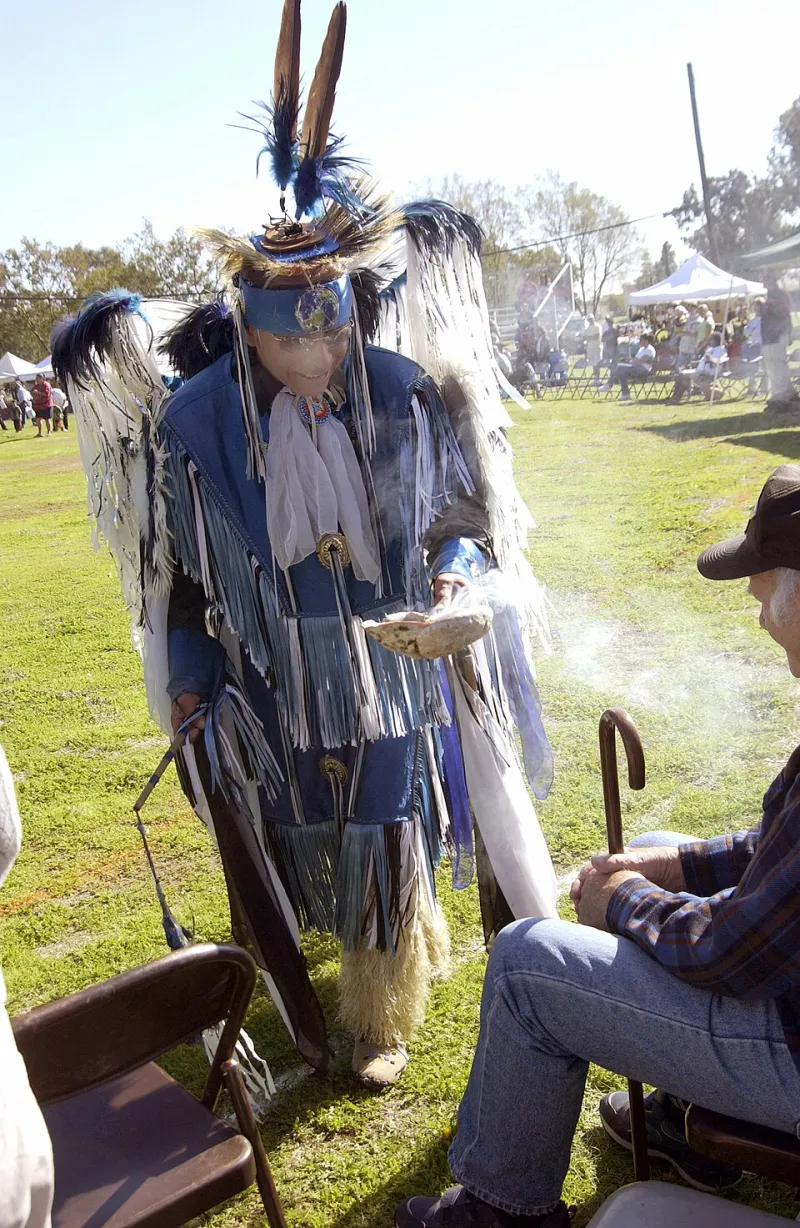
Photo: AUDREY QUILLEN, CIV, Public domain, via Wikimedia Commons
There is a particular kind of silence that descends on a man or woman who has returned from war. It is not the silence of peace. It is the silence of displacement — the gap between who one was under fire and who one is expected to become in a world that has moved on without them. For a quietly growing community of American combat veterans, that silence is being answered not by conventional counseling programs or corporate reintegration workshops, but by the ancient Japanese traditions of tamahagane steel, the grinding of whetstones, and the deliberate, almost ceremonial movements of the martial dojo.
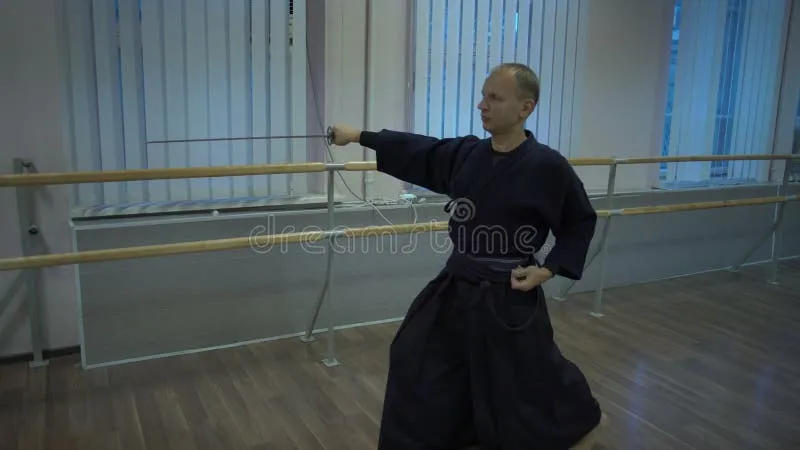
The numbers remain modest, but the trend is unmistakable. Across the United States, veterans from the Army, Marines, Navy, and Air Force are enrolling in traditional iaido and kenjutsu schools, apprenticing themselves to Japanese swordsmithing masters, and in some cases traveling to Japan to study under craftsmen whose lineages stretch back centuries. What draws them there, many say, is something they struggle to name but immediately recognize: a structure that demands everything and, in return, offers clarity.
The Architecture of Discipline
To understand why the dojo resonates so powerfully with the veteran's psyche, one must first appreciate what military service actually creates in a person. The armed forces do not merely train bodies. They construct identities — identities built around hierarchy, purpose, precision, and a code of conduct that transcends individual comfort. When that structure is removed upon discharge, the psychological consequences can be severe. Studies published by the Department of Veterans Affairs have long documented elevated rates of post-traumatic stress, depression, and social isolation among returning service members. What is less frequently discussed is the identity vacuum that precedes or accompanies those clinical conditions.
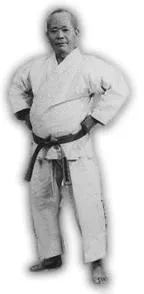
The traditional Japanese martial disciplines, it turns out, speak directly to that vacuum. The dojo is not a gym. It is, at its philosophical core, a structured community organized around mastery, respect, and a clearly defined hierarchy of learning. The sempai-kohai relationship — the bond between senior and junior practitioners — mirrors, in meaningful ways, the NCO-to-junior-enlisted dynamic that many veterans found grounding during their service. The ritual of bowing, the maintenance of one's equipment, the repetition of kata until the body no longer requires the mind's instruction: these are not foreign concepts to someone who has spent years in uniform. They are, in a very real sense, a homecoming.
"The first time I walked into a kenjutsu school in Albuquerque, I didn't feel like a civilian trying to learn something new," said one Marine Corps veteran who served two deployments in Iraq before separating in 2017. "I felt like I'd walked back into something I already understood. The etiquette, the silence before the instructor speaks, the way everyone moves with intention — it was the first time since getting out that I felt like I knew the rules."
Steel as Meditation
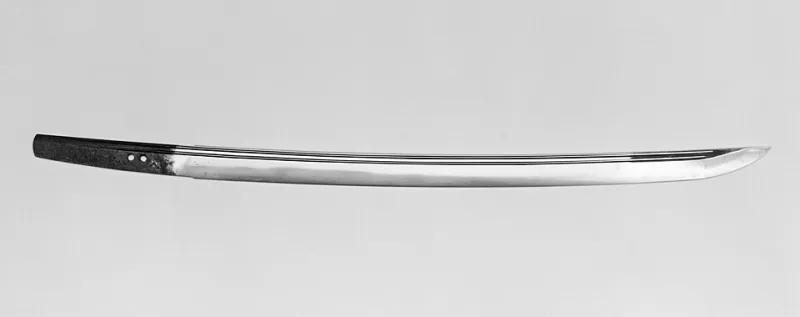
For those veterans drawn not merely to the martial arts but to the craft of blade-making itself, the experience carries a different but complementary dimension. The traditional Japanese swordsmith's process — smelting tamahagane iron sand, folding and drawing out the steel, shaping the blade through hours of hammer work, and then surrendering it to the patient revelation of the polishing stone — is among the most demanding and meditative crafts in human history. It requires, above all else, the ability to be fully present.
This is precisely what makes it therapeutic in ways that are difficult to quantify but easy to observe. Several veterans who have pursued swordsmithing apprenticeships describe the forge as the only environment in which intrusive thoughts recede entirely. The physical demands of hammer work, the unforgiving nature of steel that will not lie about the quality of attention given to it, and the slow accumulation of skill over months and years create a feedback loop of effort and reward that many veterans find profoundly stabilizing.
One Army combat engineer who began studying under a California-based swordsmith after his discharge in 2019 described the experience in terms that echo the language of Zen Buddhism without necessarily invoking it: "When you're at the anvil, there is no past deployment and no anxiety about what comes next. There is only the steel and whether you're doing right by it. That's a kind of peace I hadn't felt since before my first tour."
The parallels to the classical Japanese concept of mushin — the state of "no mind" sought by both the warrior and the craftsman — are not lost on scholars of Japanese martial culture. The forge and the dojo have always occupied adjacent philosophical territory in Japan's warrior tradition. The swordsmith was not merely a manufacturer; he was understood to be engaged in a spiritual practice, one in which the quality of the blade reflected the quality of the maker's inner state. For veterans grappling with the disorder of post-service life, that philosophy offers something rare: a framework in which the interior and the exterior are held to the same standard of discipline.
What the Tradition Asks in Return
It would be a disservice to romanticize this pathway without acknowledging what it demands. Traditional Japanese swordsmithing and authentic martial arts training are not therapeutic programs designed around the comfort of the practitioner. They are ancient disciplines that have survived precisely because they refuse to accommodate impatience. The apprenticeship model, in particular, requires a submission of ego that can be genuinely difficult for veterans accustomed to operating with authority and autonomy.
Several veterans interviewed for this article acknowledged periods of frustration, even humiliation, during their early years of study. Being corrected — sometimes sharply — by instructors decades younger, or spending months on a single kata before being permitted to advance, tests a resolve that combat itself may not have tested in quite the same way. The battlefield, after all, rewards decisiveness. The dojo rewards stillness. The forge rewards surrender to process.
Yet it is precisely this friction that many veterans identify as the source of the tradition's healing power. "In the military, you earn rank by doing things," noted one Navy veteran now pursuing iaido in the Pacific Northwest. "In the dojo, you earn it by undoing things — by stripping out the habits and the ego until what's left is just the movement. That's harder. And it's more honest."
An Ancient Code for a Modern Wound
The warrior's path, in Japan's classical conception, did not end on the battlefield. Bushido — the way of the warrior — was always as much a philosophy of peace as it was a code of combat. The samurai who could not find meaning in stillness was considered incomplete, regardless of his prowess with a blade. In that light, the American veteran's turn toward Japanese swordcraft and martial discipline is not an adoption of a foreign culture so much as a recognition of a universal truth: that the warrior spirit, left without direction, becomes its own enemy.
What the forge and the dojo offer is direction. Not the direction of orders from above, but the more demanding direction of a tradition that has outlasted every political upheaval, every technological disruption, and every generation that thought it had nothing left to learn. For the men and women who return from America's wars carrying wounds that X-rays cannot locate, that tradition may prove to be one of the most durable forms of medicine available — measured not in sessions or prescriptions, but in the slow, honest accumulation of years spent in service to steel.