Steel Without Secrets: Inside America's Obsession With Acquiring Genuine Japanese Swords
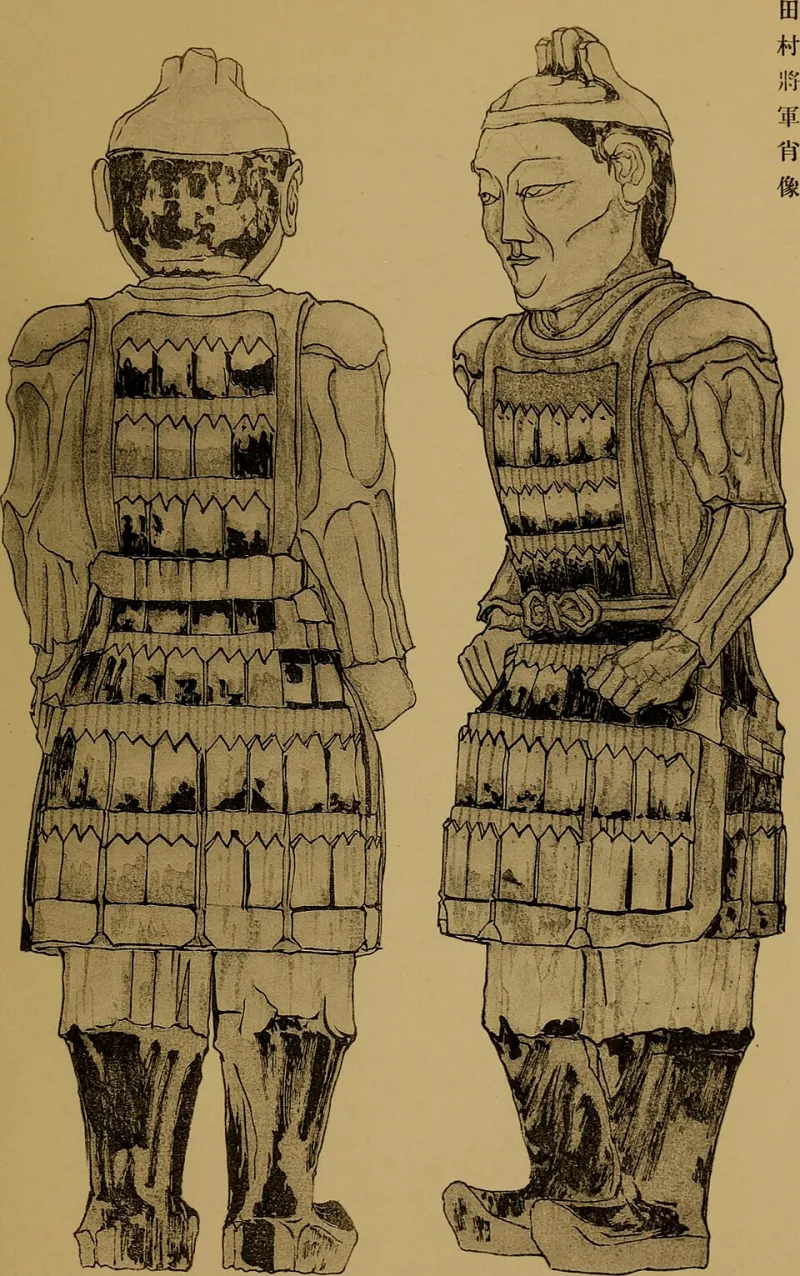
Photo: Gowland, William, 1842-1922; Japan Society of London, No restrictions, via Wikimedia Commons
In a climate-controlled room in suburban Denver, a retired aerospace engineer named Robert Harlan carefully lifts a blade from its lacquered wooden stand. The sword is approximately three hundred years old. Its hamon — the undulating temper line that runs along the edge — ripples like frozen water under a directed beam of light. Harlan has spent fourteen years and well over six figures assembling a collection of authenticated nihonto, the term Japanese swordsmiths and scholars use to distinguish genuine Japanese-forged blades from the broader category of swords that merely resemble them. He is not a martial artist. He is not a historian by formal training. He is, by his own description, a man who became transfixed by what he calls "the most concentrated expression of human craftsmanship in existence."
Harlan is not alone. Across the United States, a quietly expanding community of sword enthusiasts has elevated the acquisition of authentic Japanese blades into a serious and demanding pursuit — one that intersects questions of connoisseurship, federal import law, state-level regulation, and the thorny ethics of cultural patrimony.
The Difference a Blade Makes
The American sword market exists on a vast spectrum. At one end sit the mass-produced decorative pieces sold at martial arts supply shops, convention floors, and online retailers for anywhere between thirty and three hundred dollars. These are functional props at best, wall decorations at worst. At the other end sit authenticated nihonto — blades forged in Japan using traditional tamahagane steel, subjected to the demanding polishing and mounting standards maintained by organizations such as the Society for the Preservation of Japanese Art Swords (NBTHK) and the Society for the Preservation of Japanese Swords (NTHK). The price differential is staggering: entry-level authenticated nihonto regularly sell for five thousand dollars, while exceptional examples from celebrated schools of smithing can command hundreds of thousands at auction.
For collectors navigating this landscape, authentication is the foundational challenge. James Yoshida, a licensed sword importer based in Northern California who has operated within the nihonto trade for over two decades, describes the process with measured seriousness. "A genuine nihonto carries documentation," he explains. "NBTHK papers, NTHK papers — these are not guarantees of perfection, but they represent the considered judgment of recognized experts. A blade without papers is not automatically suspect, but it demands a far higher burden of personal scrutiny."
That scrutiny involves examining the jihada — the grain pattern of the steel — the shape of the tang, the construction of the hilt fittings, and dozens of additional technical characteristics that trained eyes have spent years learning to read. Yoshida is candid about the market's vulnerabilities: "There are sellers in this country who present shinsakuto — newly made Japanese swords — as antiques, and there are sellers presenting Chinese-made replicas as the real article. The uninformed buyer has very little protection."
A Legal Patchwork
Owning a sword in the United States is, at the federal level, largely unregulated. The importation of antique swords — generally defined as items over one hundred years old — falls under established customs provisions, though blades manufactured after 1953 may be subject to additional scrutiny if they are considered switchblades or gravity knives under the Federal Switchblade Act, a distinction that rarely applies to traditional nihonto but occasionally creates bureaucratic complications.
The more consequential legal terrain is at the state level, and it is deeply inconsistent. California prohibits the carrying of certain concealed blades and restricts the sale of dirks and daggers, but authenticated antique swords held as collectibles occupy a relatively protected space. New York's laws impose stricter limitations on blade length in public contexts. In several states, local ordinances add further layers of complexity that even experienced dealers find difficult to navigate with complete confidence.
For importers like Yoshida, compliance is a professional discipline. "Every shipment I bring in from Japan is accompanied by proper documentation — export permits from the Japanese Agency for Cultural Affairs for any blade that requires them, commercial invoices, and authentication paperwork. Cutting corners on import compliance is how careers end and collections get seized."
Japan itself maintains strict export controls on swords designated as national treasures or important cultural properties. The vast majority of nihonto available on the American market are blades that have either resided outside Japan for decades or were legally exported under the appropriate licensing framework. This does not eliminate ethical complexity, but it does provide a legal foundation.
The Ethics of Ownership
Perhaps the most searching question facing American collectors is one that no authentication certificate can resolve: what does it mean to own an object that is simultaneously a weapon, a work of art, and a cultural artifact of profound significance to a living civilization?
Dr. Keiko Matsumura, a cultural anthropologist at a Pacific Northwest university who has studied the transnational movement of Japanese material culture, frames the issue with characteristic precision. "The nihonto is not a passive object in Japanese cultural consciousness. It carries associations with specific philosophical traditions, with ancestral identity, with the martial and spiritual heritage of a society. When it enters a private collection in another country, those associations do not simply dissolve."
For many serious collectors, this awareness produces a sense of custodial responsibility rather than simple ownership. Harlan describes his relationship with his collection in terms that echo this sensibility. "I don't think of these swords as mine in any final sense. I think of myself as the person responsible for them right now. My obligation is to maintain them properly, document them accurately, and eventually pass them to someone who will continue that care."
This custodial ethic has practical expressions. Many American collectors invest in traditional Japanese sword maintenance — purchasing the specialized cleaning oils, polishing powder, and tools required to prevent oxidation and preserve the blade's integrity. Some pursue formal study with licensed polishers, a craft that in Japan requires years of apprenticeship under recognized masters.
Separating Enthusiasm From Expertise
The growth of online marketplaces has democratized access to the nihonto market while simultaneously lowering barriers for fraud and misrepresentation. Auction platforms host thousands of sword listings at any given moment, and the volume of inaccurate descriptions — whether through ignorance or intent — is substantial.
The community of serious American collectors has responded by developing robust informal networks for peer review and authentication guidance. Forums such as those maintained by dedicated nihonto societies provide spaces where photographs can be submitted for collective assessment. Established dealers offer appraisal services. Sword shows — particularly the annual events hosted by regional branches of the Japanese Sword Society of the United States — create opportunities for in-person examination and expert consultation.
Yoshida's advice to prospective collectors is direct: "Spend the first two years reading, not buying. Study the reference materials. Attend shows and handle as many authenticated blades as you can. Develop your eye before you open your wallet. The market will always have something worth purchasing. The education cannot be rushed."
For those willing to invest that time, the reward is access to an extraordinary tradition — one in which the intersection of metallurgy, aesthetics, philosophy, and history produces objects of genuinely singular character. The katana, in its most authentic form, is not merchandise. It is, as Harlan suggests standing in his Denver collection room, a kind of compressed time — centuries of human intention rendered visible in folded steel.